Toothache Relief in Davao: Why Your Tooth Hurts and What to Do
This article explains the most common causes of toothaches and what your symptoms mean. You’ll learn whether your pain is minor or needs urgent attention — so you can act early before it gets worse.
Introduction
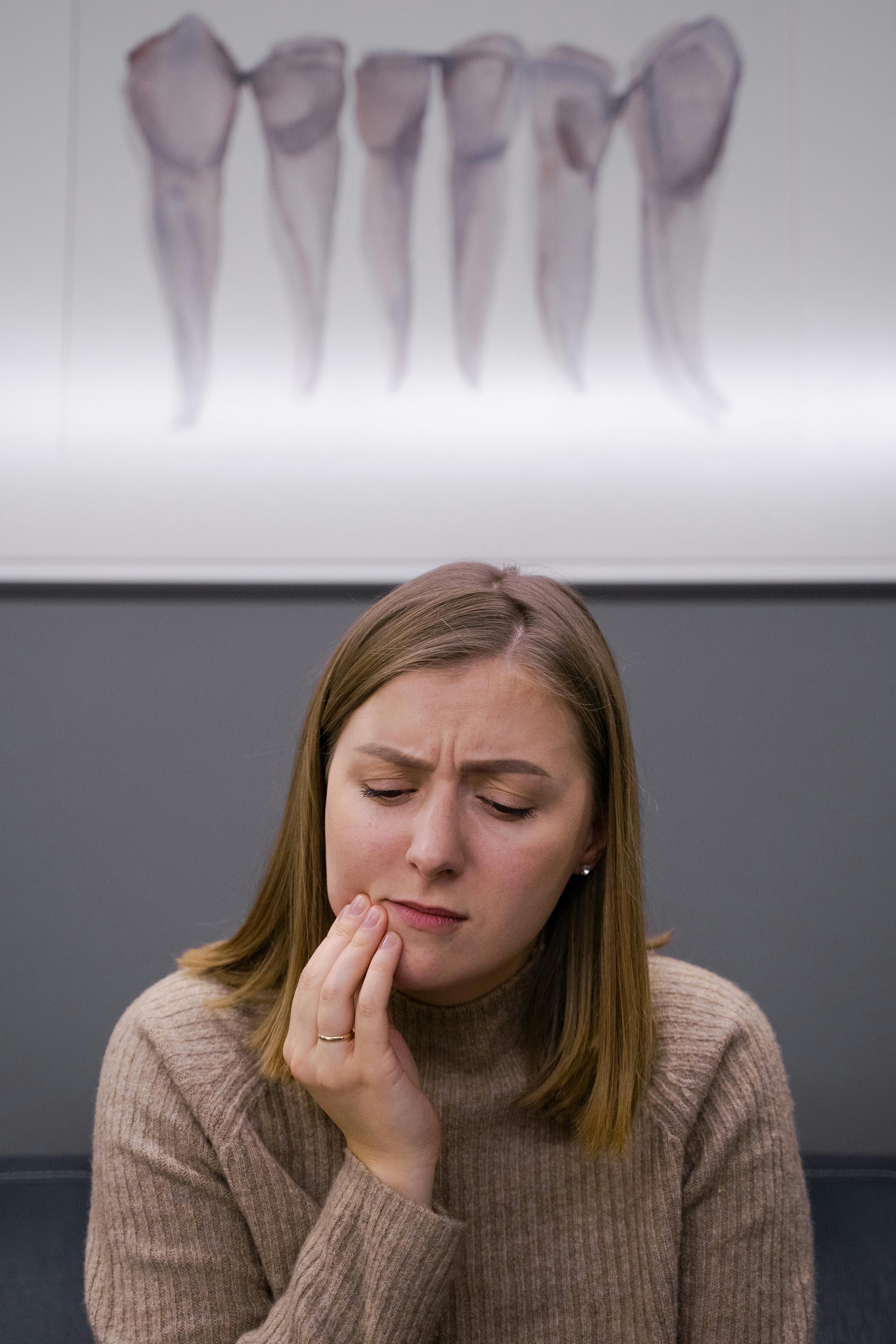
If you're dealing with a toothache in Davao, you know how distracting—and sometimes unbearable—it can be. What starts as a mild discomfort can quickly turn into sharp pain that affects your eating, sleeping, and even your mood. Many patients try to ignore it or rely on temporary relief, but tooth pain is usually a sign that something deeper needs attention.
The truth is, your teeth don’t just hurt randomly. Pain is your body’s way of telling you that something isn’t right. The earlier you understand the cause, the easier (and more affordable) it is to fix.
Here are some of the most common reasons why your tooth may be hurting—and what you should do about it:
Cavities (Tooth Decay)
Cavities are one of the leading causes of tooth pain among patients in Davao. They form when bacteria in your mouth produce acids that slowly wear down your enamel. At first, you might not feel anything—but as the decay reaches deeper layers of the tooth, sensitivity and pain begin.
You might notice discomfort when eating sweets, drinking cold beverages, or biting down on food. If left untreated, cavities can lead to infection and even tooth loss.
What you can do:
Don’t wait until the pain becomes severe. Early-stage cavities can be treated with simple fillings. Visiting a dental clinic early can save you from more complicated procedures like root canals.Gum Infection (Gingivitis or Periodontitis)
Sometimes the pain you feel isn’t coming from your tooth—it’s actually from your gums. Gum infections often start with mild symptoms like redness, swelling, or bleeding when brushing. Over time, this can progress into a more serious condition that affects the bone supporting your teeth.
In Davao, many patients overlook bleeding gums, thinking it’s normal—but it’s actually one of the earliest warning signs of gum disease.
What you can do:
Professional cleaning and proper oral hygiene can reverse early gum problems. The sooner you act, the easier it is to manage.Cracked or Damaged Tooth
A tooth doesn’t have to be visibly broken to cause pain. Small cracks can develop from biting hard foods, grinding your teeth, or accidental trauma. These cracks can expose the inner layers of the tooth, leading to pain when chewing.
You might notice sharp pain when biting down, but no pain when you’re not using the tooth—which makes it tricky to identify.
What you can do:
A dental exam can detect cracks that aren’t visible to the naked eye. Treatments like crowns can protect the tooth and prevent further damage.Tooth Sensitivity
If you feel a sudden sharp pain when drinking hot coffee or cold water, you may have tooth sensitivity. This usually happens when your enamel wears down or your gums recede, exposing the sensitive inner part of the tooth.
This is very common among adults and can be caused by aggressive brushing, acidic foods, or untreated dental issues.
What you can do:
Switching to a toothpaste for sensitive teeth can help, but it’s still important to have it checked. Sensitivity can sometimes be a sign of a deeper problem.Dental Infection (Abscess)
One of the more serious causes of tooth pain is an infection inside the tooth. This can happen when bacteria reach the inner pulp, causing swelling, severe pain, and sometimes even fever or facial swelling.
This type of pain doesn’t go away—it often gets worse and can spread if left untreated.
What you can do:
This requires immediate attention. Treatments like root canal therapy can remove the infection and save the tooth.
Conclusion
Tooth pain is not something you should ignore or “wait out.” In most cases, it won’t go away on its own—and delaying treatment can lead to more serious and costly problems.
If you're looking for safe and effective toothache relief in Davao, Dental Clinique focuses on identifying the real cause of your pain and providing the right treatment to fix it properly. Whether it’s a simple filling or a more advanced procedure, getting checked early makes all the difference.